
Ishiba quits
What happens now?

Thank you for reading Observing Japan. This post is available to all readers.
If you are looking for timely, forward-looking analysis of the stories in Japans’s politics and policymaking that move markets, I have launched a service through my business, Japan Foresight LLC. For more information about Japan Foresight’s services or for information on how to sign up for a trial or schedule a briefing, please visit our website or reach out to me.
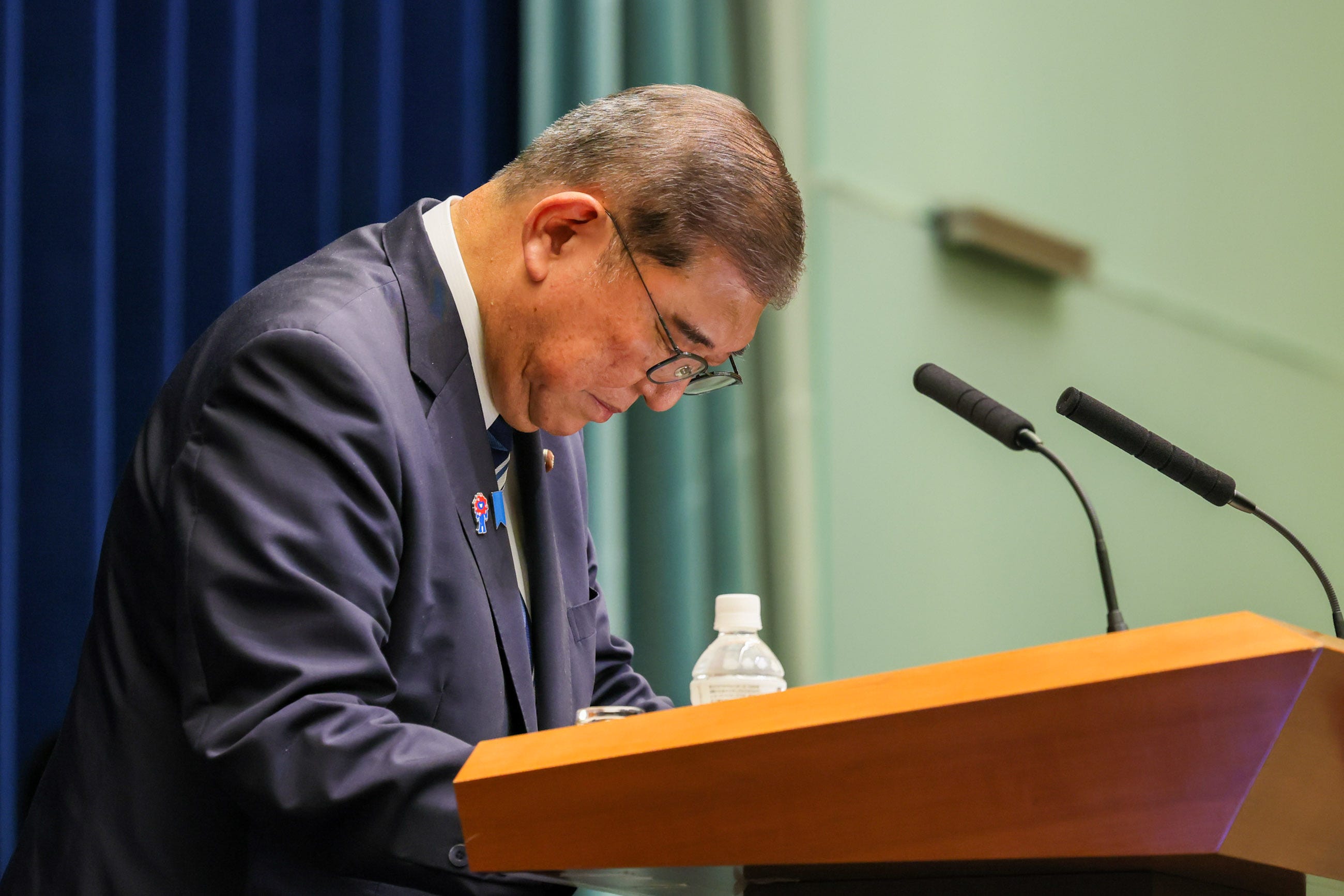
In the end, Ishiba Shigeru really leaned into the role of the tragic hero, struggling to hold on to the premiership even as the ranks of the movement within the Liberal Democratic Party (LDP) to unseat him swelled and then, in recent days, surged.
On Sunday afternoon, he finally surrendered, announcing that he would step down as leader of the LDP, and, inevitably, as prime minister, clearing the way for a party election to select a new leader to serve out the remaining two years of his term.
Ishiba’s decision forestalls the 8 September party vote on whether to hold an early election, a vote that was increasingly shaping up to be a landslide victory for the anti-Ishiba camp. In his press conference Sunday, Ishiba suggested that the timing had more to do with the finalization of the trade deal with the United States – concluded on Thursday – than with the widening opposition to his staying in office following the party’s upper house election post-mortem. However, there seems little doubt that circumstances left him no choice.
While Ishiba’s resignation answers one question about the LDP’s future – namely, whether Ishiba would continue leading it – it leaves many others unanswered.
How will the LDP pick a leader?
Of course, the party will have to answer this question literally, deciding whether to hold a more compressed leadership election using emergency rules as in 2020 – limiting the involvement of dues-paying supporters and giving greater weight to lawmakers – or holding a “full spectrum” leadership election as in 2024. It will also have to determine the timing of a leadership election, though ahead of the now-scuttled recall vote there was talk that it could be held on October 4 or thereabouts.
But there is also the broader question of how the LDP will select a leader, in the sense of how the party will select a leader who can fulfill the party’s competing needs. To improve its fortunes, the party needs a leader who can heal some of its post-Abe divisions (discussed here); deliver the internal reforms called for in the election post-mortem; appeal to the general public, bringing back some mix of mainstream LDP supporters, conservative voters, and independents; and working with one or more opposition parties to stabilize the government’s control of the Diet. Of course, the next leader will also inherit a challenging relationship with the United States, an increasingly difficult security environment in East Asia, and an intractable domestic debate over the direction of fiscal policy.
Perhaps there is also a third dimension to this question. Looking at the LDP since Kishida Fumio announced in mid-August 2024 that he would not run for reelection, it is hard to escape the conclusion that the party is suffering from severe governance issues following the dissolution of its factions. No factions meant a chaotic leadership election in 2024; no factions deprived Ishiba of a mechanism for unifying the party after the election; no factions meant Ishiba struggled to manage dissent, distribute rewards and punishments, and ultimately was unable to assert his authority as his support slipped away. Maybe it is not surprising that Ishiba had to threaten to use his nuclear option – calling a snap election – since other tools for stifling dissent had failed him. During the struggle to oust Ishiba there appears to have been an uptick in organizing around the remnants of former factions, and it is worth asking whether they may reassert themselves in some form during the leadership election.
Who is the favorite?
Given the party’s conflicting needs, there may not be a single ideal candidate to succeed Ishiba. That said, the LDP’s political needs – the desire to escape its worsening crisis and avoid another spell in opposition – will likely outweigh other concerns.
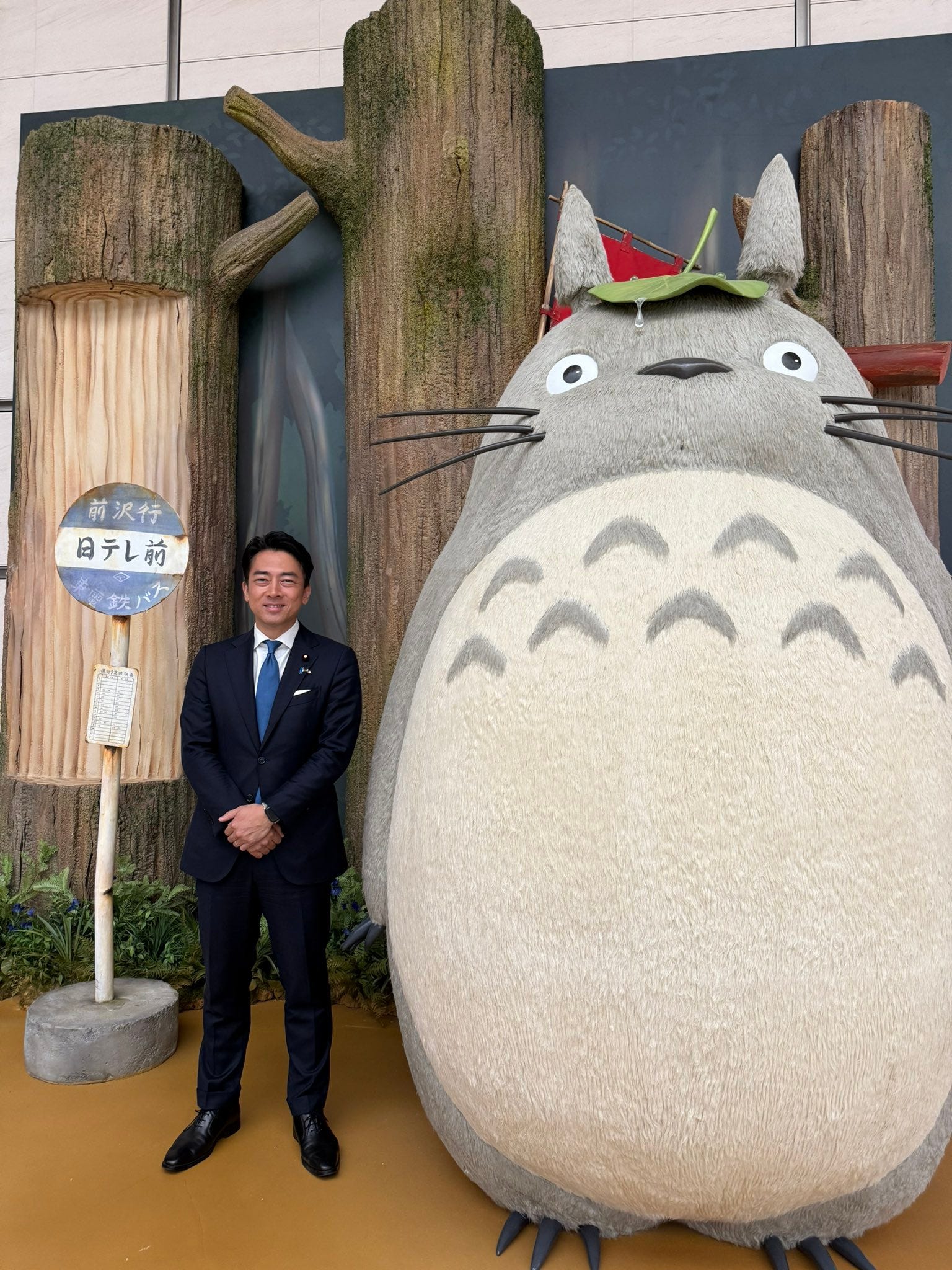
From this perspective, Koizumi Shinjirō likely enters the leadership campaign as the presumptive favorite. He enters the race not only with the support of former prime minister Suga Yoshihide and his reformist bloc, but he may also be poised to draw the backing of former prime minister Kishida Fumio and may even be making a pitch to Asō Tarō that he is best able to unify the party, rally public support, and stabilize the government. If he can line up the three major kingmakers behind him as well as the party’s younger lawmakers and also improve on his disappointing performance with the party’s rank-and-file supporters, Koizumi will be difficult to beat. It also does not hurt that he may have a stronger pitch to make to Ishin no Kai as a coalition partner.
Takaichi Sanae, the runner-up from 2024, seems like a formidable candidate but her position may be weaker than meets the eye. First, her base in the party has been disproportionately impacted by the LDP’s defeats in the 2024 general and 2025 upper house elections, as suggested by the fact that nine of her twenty endorsers in last year’s leadership election have left office. Meanwhile, it is unclear whether Takaichi will be able to land Asō’s support again. While she may address one of the LDP’s needs – appealing to former LDP supporters dissatisfied with the post-Abe direction of the party – she may be a liability in other ways, since she is distrusted by the more moderate and reformist parts of the party (Kishida reportedly called her “Taliban Takaichi” last year) and may do little to appeal to independents. Finally, she may not even be able to unify the LDP right behind her candidacy, as Kobayashi Takayuki, the conservative “generational change” candidate, has given no indication that he is going to step out of the way for Takaichi.
The other plausible contenders – for example, Hayashi Yoshimasa, Motegi Toshimitsu, or Katō Katsunobu – may have the policymaking credentials but have liabilities that would do little to resolve the LDP’s political crisis. All three are older and have lower public profiles and followings. Hayashi would be running in the same lane as Koizumi and is also disliked by the right wing; Motegi has always struggled to make friends with his colleagues (including members of his former faction); and while Katō has good relationships across the party, his public standing is muted, and he will turn seventy in November.
What happens next?
The LDP will undoubtedly move quickly to schedule the leadership election, and the party power brokers may work aggressively to discourage marginal candidates from running and could even coalesce around a favorite within the next week.
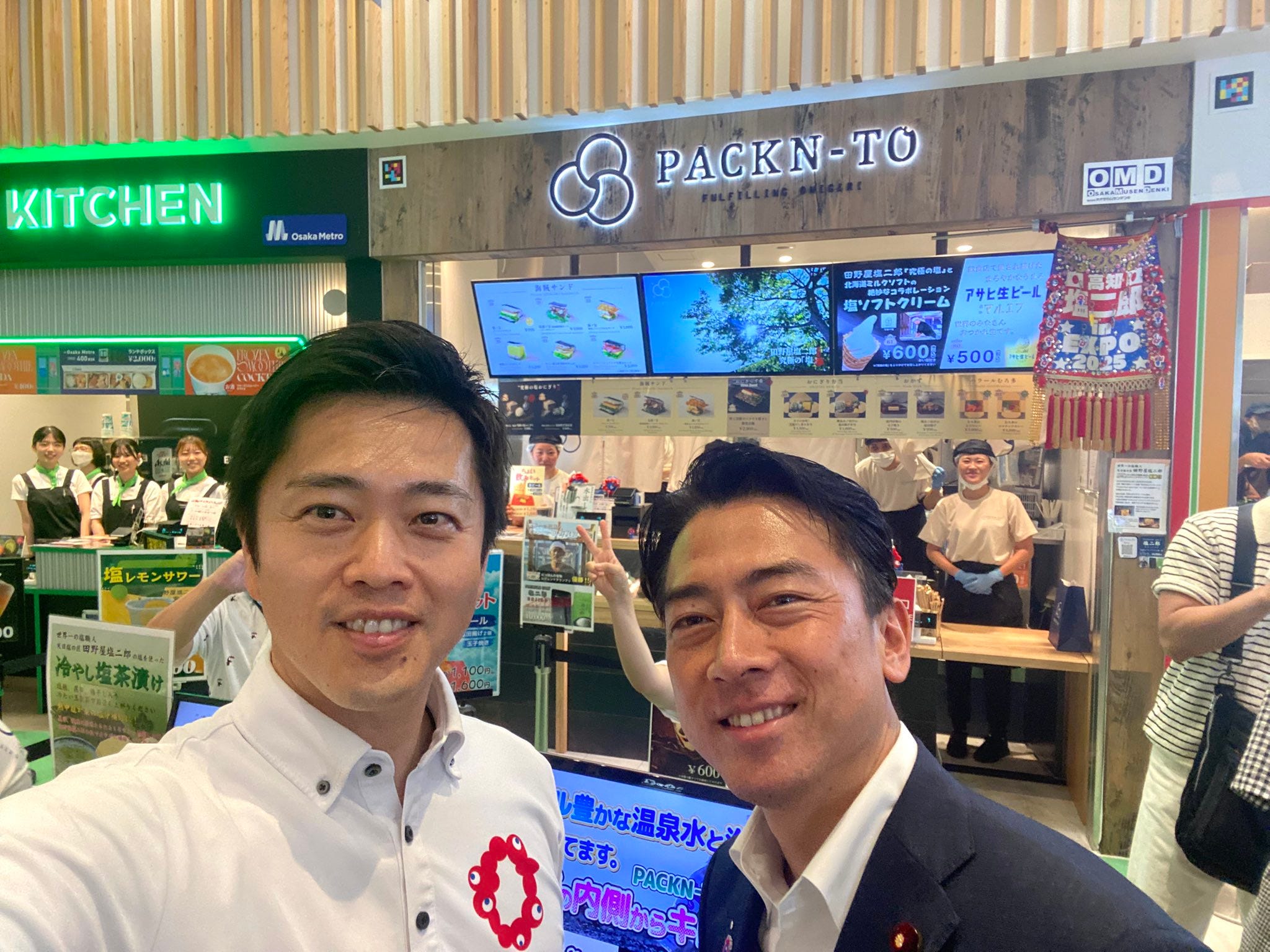
While the LDP and Kōmeitō will not be able to open coalition negotiations with a new partner until the LDP selects its next leader, the prospects and possibilities of an expanded coalition will influence the outcome of the LDP’s internal deliberations. Ishin no Kai co-leader Yoshimura Hirofumi was recently seen palling around with Koizumi at the Osaka Expo and the party as a whole has close relations with Suga; party co-leader Fujita Fumitake greeted the news of Ishiba’s resignation by teasing the possibility of joining a coalition government, depending on the outcome of the leadership election. Ishin no Kai, desperate to reverse its own declining fortunes by delivering on some of its core promises, may see the logic in forging a generational change government with Koizumi (44), Fujita (44), and Yoshimura (50) as the faces of a new moment for Japanese politics.
If the next LDP leader is able to expand the ruling coalition, it would at the very least buy the LDP some time, with three years until the next upper house elections and until the next general election must be held. The government would go from a minority coalition of 220 seats in the lower house and 121 seats in the upper house to ruling majorities of 258 and 140 respectively.
There is, of course, no guarantee that a new leader will be able to preserve peace and unity within the LDP; that the process of reforming the party’s institutions (as outlined in the post-mortem) will go smoothly; that an expanded coalition will function effectively (earlier multi-party coalitions give some reason for doubt); or that external events won’t frustrate the best-laid plans of Japan’s next leader. But Ishiba, by bowing to the reality that he had lost the confidence of his party to manage any of these challenges, has given the LDP a chance for a fresh start.
Formidable and insight enhancing post! Like the way you write about this fascinating political theatre.